
 +971 568 385395
 +971 654 22355
Oil Seals Explained: Function, Design, and Applications
Posted on March 25th, 2026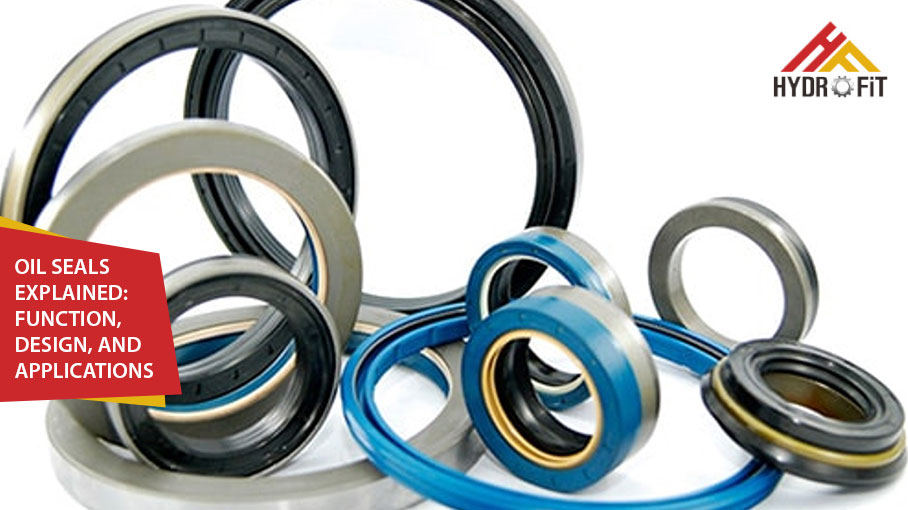
Oil Seal is a vital part of many mechanical and industrial machines. Oil seals play an integral role in not just preventing the leakage of lubricating oil, but also in stopping contaminants such as dirt, dust, and moisture from entering any particular component of the machinery.
In many sensitive industries and also on heavy-duty machinery, seals play a crucial role in enhancing the machine’s performance and reliability.
Companies from the automotive industry, manufacturing industry, and heavy machinery industry cannot ignore such a component to maximise their output and minimise maintenance.
In this post, you are going to see more about the seals and see how they can be helpful in almost every piece of machinery.
What Is and How an Oil Seal Works?
Oil seals are also called shaft seals, and they are a kind of mechanical device used to form an obstruction around a rotating element or two adjacent components where one or more items rotate relatively.
The seals work to perform a dual role, like retaining the lubricant and keeping out foreign matter.
Working Of Seals
The working principle of seals is as simple as it can be, yet remarkably effective. It’s essentially a flexible sealing element – commonly a lip which is in contact with the rotating shaft. This lip presses on a shaft, forming a physical barrier against lubricant leakage.
At the same time, this lip acts like a second barrier, restricting the ingress of contaminating matter, dirt, and dust particles.
Many industrial machines that a hydraulic company deals with are based on the working of these seals to maintain the pressure and reliability of a hydraulic system.
Function Of Seals
Seals are of utmost importance, and their main functions are of high significance. The first and foremost is keeping the lubricant confined to its designated position, maintaining smooth movement between parts with practically zero friction.
Most of the machinery in industry works under some sort of hydraulic system, and any leakage of pressure due to a faulty seal could lead to something serious that might be catastrophic.
Design And Component Parts of Seals
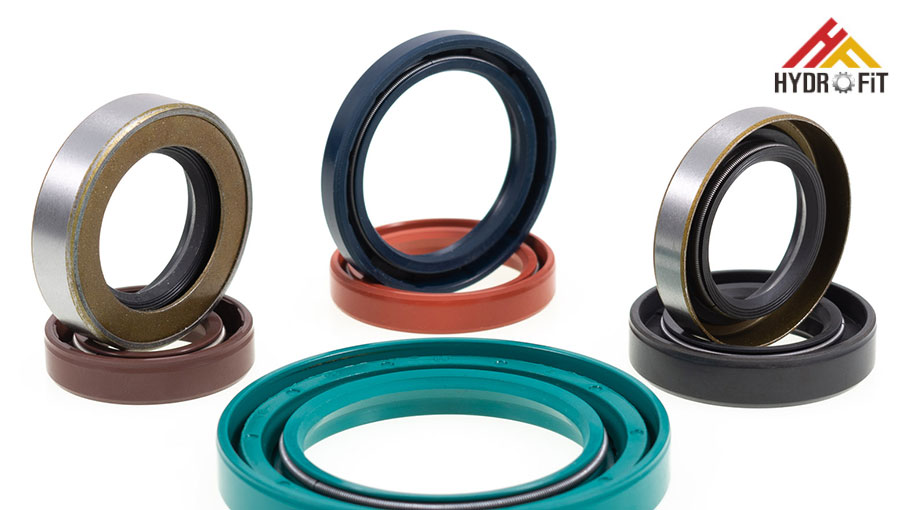
An oil seal needs careful design; even though designs vary with the application, the common components present are listed below:
- Outer casing: This helps to provide the structural support to the seal and is usually made of metal (steel, etc.) to fit tightly in the mount and also to be able to survive higher pressures and temperatures.
- Sealing lip: The core part of the oil seal. This part is generally made of an elastomeric material. It is made in such a way as to form an airtight seal with the rotating shaft, to ensure the retention of lubricant, and also to prevent the entry of external contamination.
- Garter spring: This component presses the sealing lip so as to apply consistent pressure against the shaft, and this maintains the sealing pressure at a constant level. This helps to take into account any wear in the component; you will also find that some seals use it for higher sealing pressures.
- Material selection: The material that is used to make an oil seal depends on many factors, such as operating temperature and the kind of fluid in use. The common materials that are used to make them are Nitrile rubber, Silicone rubber, and Fluorocarbon rubber, which have been used because of their excellent resistance to chemicals as well as elevated temperatures.
Types of Seals
The various types of seals are as follows:
- Single lip seals: Seals that protect against contaminants from a single direction only, these are found on particular machines where contamination risk is almost negligible.
- Double lip seals: These are types of seals having two sealing lips that allow protection from both inward and outward contamination. There is double the risk compared to a single lip oil seal, and hence these offer higher security and can be seen on many machines working in sync with a hydraulic company.
- Cassette seals: These are a specific type of specialised seals that are designed and utilised on heavy-duty vehicles and earth-moving vehicles, etc., in challenging environments, and provide protection from contaminants in the atmosphere.
- Mechanical seals: Generally used in a much more precise and high-standard application, and are mostly used in pumps and compressors where movement between stationary and moving parts needs to be sealed without any leak or contamination.
Application of Seals in Industries
There are a huge number of industries in which seals have a role to play, wherein the absolute prevention of any form of oil leakage is required.
- Automotive industry: Every engine, transmission, wheel bearing has an oil seal.
- Manufacturing industries: Processing machinery, pumps, conveyors, and compressors use seals used in them.
- Construction and mining sector: High-duty earth-moving machinery extensively uses seals.
- Hydraulic systems: Seals are a mandatory requirement in hydraulic systems to maintain the internal integrity and pressure of the hydraulic system, and hence are widely used in hydraulic equipment that works with hydraulic fittings.
Conclusion
With a thorough knowledge of different types of seals, selecting the right type for a specific use becomes an easy task, and the business owner can have better prospects with their bottom line by choosing correctly. You can avail the latest state-of-the-art seals from HydrofitME, who assure its users a seamless operation with better productivity.
Author’s Bio
The author of this page is a technical content writer and is particularly interested in Hydraulics Systems and industrial engineering. Taking very basic mechanics and changing them to create helpful text, this writer gives companies the understanding of things such as Oil-based Seals and hydraulic fittings.
FAQs
1. What is the function of an oil seal?
An oil seal is used to prevent lubricants from entering the machine and to prevent dirt, dust, moisture, etc. Entering the machine results in a reduction in friction and damage.
2. How long does a standard oil seal last?
Generally, it is agreed that a normal oil seal can last from a few months to many years, depending on the environment it is designed to operate within.
3. What material are oil-based seals manufactured from?
Hydraulic fittings, which are oil-based, can often be manufactured using either nitrile rubber, silicone, or fluorocarbon, depending on the level of resistance required to ambient surroundings and the presence of chemical substances.
4. Can I use an oil-based seal in my hydraulic system?
Indeed, you can, as oil-based seals are used most widely in hydraulic systems since they hold pressure and containment within the machine are critical, and for this reason, oil seals are indispensable when using any type of hydraulic fitting.
5. What oil seal is correct for my system?
The shaft size required, the temperature that the system must operate at, system pressure, and type of fluid utilised are all considerations that would be taken into account when selecting a particular oil seal. You can certainly get an oil seal expert from a well-established hydraulic business to help you receive the best benefits.
6. What problems can occur due to wear on an oil seal?
Undue noises, fluid loss through the oil seal, contamination of the system, and loss of efficiency. These are some of the problems that might occur, and it is important to choose the right high-quality seals for your needs.