 +971 568 385395
 +971 654 22355
Hydraulic Seals: Key Types of Hydraulic Seals, Features and Considerations
Posted on March 2nd, 2026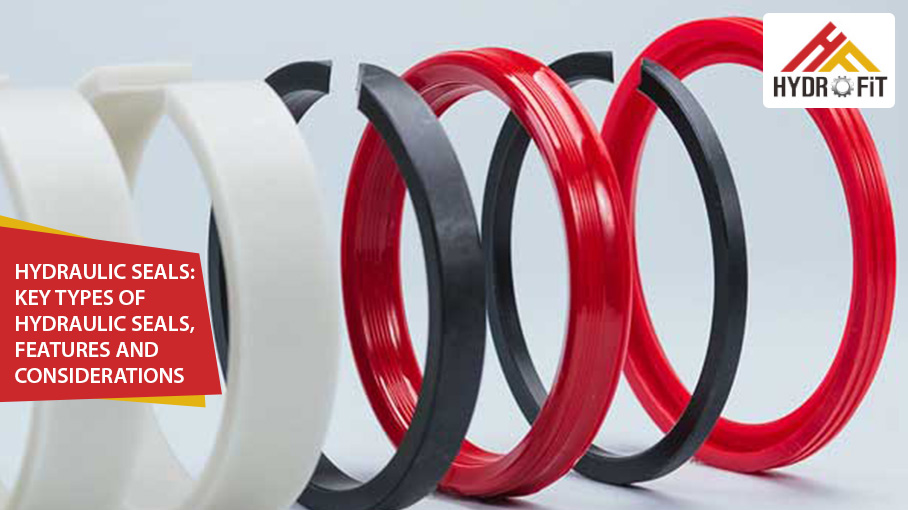
All industries which utilise hydraulic systems require special parts which have been specifically created to achieve particular functions so that their hydraulic systems can operate effectively from the beginning of service until their last operational day.
The hydraulic seal serves as the main system element because it establishes a complete protective barrier which prevents fluid escape and stops contaminants from entering while maintaining the system’s internal pressure.
What Are Hydraulic Seals and Why Do They Matter
Hydraulic seals create their sealing function through their specialised design, which establishes a seal between moving and stationary parts of hydraulic systems. The internal areas of the system remain protected against outside contaminants because hydraulic fluid stays contained inside the system through its hydraulic fluid barrier.
Seals enable equipment to transmit power while they decrease the rate of wear on hydraulic cylinders and valves through their capacity to create secure connections.
Hydraulic systems in the industrial sector provide power to heavy equipment which operates at construction sites, maritime activities, oil and gas operations, transportation services and industrial automation facilities.
The hydraulic seal, which maintains its operational effectiveness from installation until its final operational phase, determines the complete operational capability of the system while ensuring safety.
Key Types of Seals
Seals exist in multiple designs, each performing specific functions within a hydraulic system. The main types of seals which hydrofitme.com provides are listed below.
1. Rod Seals
Rod seals function as permanent elements which get fixed at the piston rod border to preserve hydraulic fluid containment during rod operation. The seals protect against fluid loss during motion by safeguarding their elements from high-pressure conditions.
2. Piston Seals
Piston seals function from their location inside the cylinder to create two separate pressure zones which exist within the hydraulic system. The seals function as pressure maintenance elements which allow the piston assembly to operate under different weight conditions.
3. Wipers (Scraper Seals)
Wipers function as scrapers, which perform cleaning duties by removing dirt, dust, and contaminants from the piston rod whenever it pulls back into the cylinder. The system prevents dirt contamination of internal components, which leads to less wear and results in longer seal system durability.
4. Guide Rings and Wear Strips
Guide rings function to accomplish two functions, which include guiding cylinder assemblies while also decreasing the lateral forces that arise during equipment functioning. The system must process metal components through operations which eliminate contact between parts to prevent any damage to seals, which would lead to reduced operational time.
Material Considerations
The material which manufacturers use to create seals determines their performance capabilities. The following materials serve as the standard options which manufacturers use to produce seals.
It is important to understand that the polyurethane material properties are known to exhibit better wear resistance. Such a property enables the material to sustain its mechanical strength during high-pressure situations.
The rubber material provides an adaptable sealing function which preserves its sealing ability across different temperature extremes.
On the other hand, the Polytetrafluoroethylene (PTFE) material is known to deliver systems which are capable of achieving both low-friction characteristics and chemical resistance capabilities, which enable operational smoothness within chemical-hazardous areas.
The selection of suitable materials determines hydraulic seal performance because it affects seal durability under different pressure and temperature conditions.
Customisation and Fabrication Capabilities
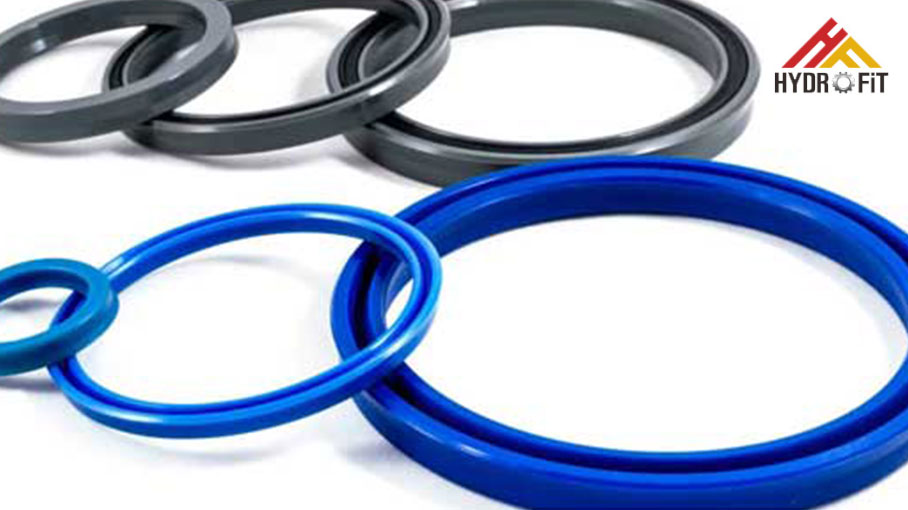
The best companies provide standard seals together with custom-made seal solutions, which are developed to fulfil specific system requirements. Customers need the ability to order custom measurements because existing standard dimensions do not meet their needs. Specific pressure and environmental requirements, together with special dimensions, establish testing boundaries which necessitate custom fabrication for certain system development.
Performance Features to Consider
It is important to understand that the process of selecting seals needs multiple performance characteristics to be evaluated.
The system operates its sealing function by stopping fluid loss while it continues to manage pressure control.
There are two distinct characteristics to be kept in mind while ordering a specific seal, they are testing:
- Its ability to resist friction
- Capacity to sustain strength throughout extended usage.
The system functions according to its operational pressure range.
Why Seals Are Essential for System Integrity
Hydraulic systems generate mechanical motion through the application of fluid pressure. Fluid leaks from the broken seals create contamination in the system because they allow outside particles to enter.
The current situation leads to efficiency drops, which result in erratic movement patterns while increasing internal component damage, which leads to more system downtime.
Selecting the correct hydraulic seal results in improved machine operation, which decreases total operating expenses and maintenance requirements throughout the machine’s operational life.
Technical Support and Supply in the UAE
The best hydraulic company operates by supplying seals and various hydraulic components, which include fittings, pumps, valves, and hoses. The hydraulic company in Dubai provides products which help various industrial needs in the UAE market through its commitment to making high-quality products and its ability to design custom solutions.
The team works with clients to choose suitable sealing solutions while they handle supply chain management operations across Dubai and all of the UAE. The selection standard for industrial machinery seals and hydraulic system seals provides standards which the expert knowledge of machinery operators can use to maintain continuous operation.
Conclusion
UAE companies can establish a functional hydraulic system sealing through proper hydraulic seal selection and correct material selection. The hydraulic company in Dubai, Hydrofit Trading & Engineering, provides all Dubai hydraulic components with access to multiple products while delivering custom fabrication services which support their operational needs.
The clients receive engineering support together with custom seal solutions, which deliver strong hydraulic performance for all their hydraulic systems. Contact HydrofitME today to meet all your hydraulic seals-related demands and orders.
Frequently Asked Questions
1. What is a hydraulic seal, and what purpose does it serve?
The hydraulic seal establishes a complete barrier which prevents all fluid escape from hydraulic system junctions while it protects vital areas from harmful particles.
2. What materials are commonly used in hydraulic seal production?
Manufacturers of seals select their materials between polyurethane rubber and PTFE based on the specific pressure, temperature, and environmental demands of their systems.
3. Can I make custom-made seals for my specific needs?
Yes, there is a scope for custom-made hydro fitting solutions available, with the best companies, you can develop a hydraulic seal as per your needs.
4. How can I select the right materials for making seals?
The right process of selecting materials for seals primarily indicates understanding their ability to withstand wear while protecting their pressure limits, thermal resistance properties, and overall sealing performance.
5. Are seals interchangeable with other types of seals?
The selection of seals needs to be based on the specific requirements of the application and the mechanical design of the hydraulic system.
6. Do seals help reduce maintenance costs?
The system for sealing prevents all leaks, which protects equipment from damage while it reduces operational interruptions, resulting in lower maintenance costs.
Author Biography
The author is an expert in mechanical engineering, and he writes informative articles and blogs during his free time. He has exceptional understanding about hydraulic systems and industrial machinery components. The author uses his product analysis skills to help companies understand seals and associated components.