 +971 568 385395
 +971 654 22355
Hydraulic Seals: Types, Functions & Applications Explained
Posted on March 18th, 2026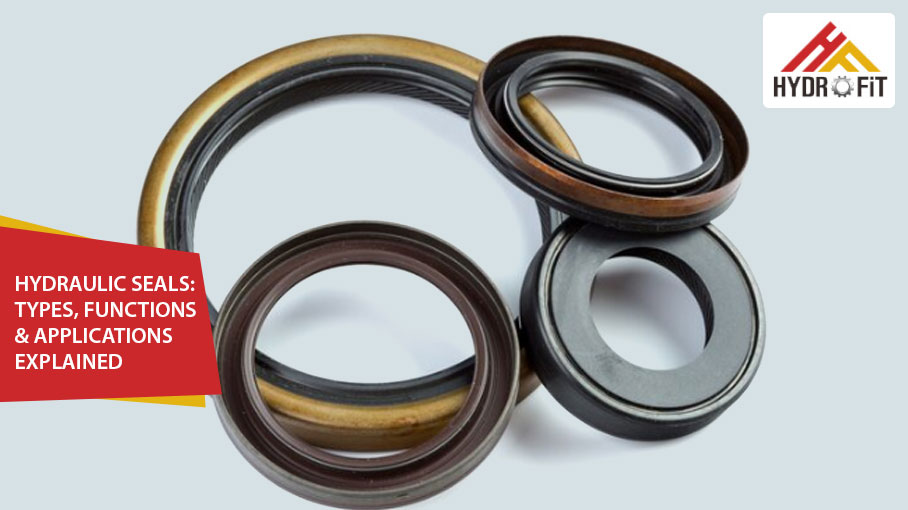
The industrial operations of contemporary industries operate their equipment through hydraulic systems, which deliver essential functions needed by construction and manufacturing machines. The system needs hydraulic seals as essential elements because they prevent fluid leakage while sustaining the required pressure for operational functions.
All industrial workers must understand the operation of these system components together with their Oil Seal and Hydraulic Fitting components, which they can find through online resources.
The guide presents complete information about various functions and material types and their application areas through its simple language. Let us see more about the seals and the different functions, or a guide to choose the best.
Introduction to Hydraulic Seals
The hydraulic system generates operational power through its pressurised fluid system, which provides hydraulic power for its movements. The seals achieve system protection through their design, which prevents fluid leaks while stopping contaminants from entering the system.
The seals use a flexible material design which contains rubber and polyurethane to form a seal that performs well under high-pressure conditions while experiencing continuous movement. The broken equipment seals create operational issues because they produce hydraulic system leaks, which result in decreased system performance.
Understanding the Seals and How Do They Work
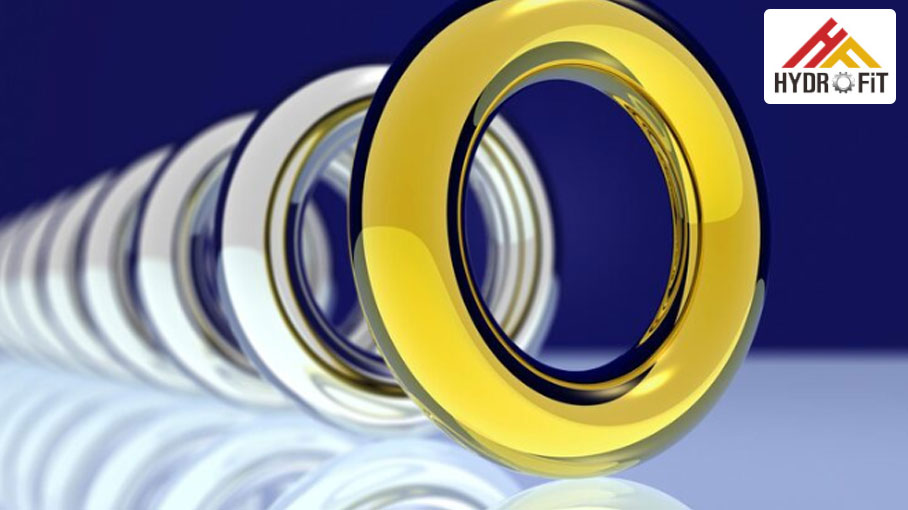
The seals create seals between moving machine parts and stationary components to block all fluid leaks from the system. The hydraulic system needs seals to function because hydraulic cylinders depend on pressurised fluid to create movement. The seals create a complete barrier by filling the component gap, which prevents all fluid from escaping. The hydraulic systems operate at high pressure, which results in fluid leakage from any tiny opening.
The seals maintain their original shape during the process of pressure changes, which cause materials to expand and contract. The system uses multiple mechanisms to stop fluid leakage from occurring.
The system maintains its pressure through the design of its operational system. The system uses its protective features to stop dust and other contaminants from entering its protected areas. The system improves machine performance through its advanced engineering.
Types of Seals
The industry requires seals because various system operations need different types of seals. The system designates each seal type to fulfil a specific system requirement.
Piston Seals
Piston seals function in cylinders to establish pressure boundaries which divide various pressure zones. The components work together to maintain system pressure while they support system operations.
Rod Seals
The rod moves through the cylinder while the rod seals block all fluid from escaping the cylinder.
Wiper Seals
The seals function to clean the rod surface by eliminating dirt, dust, and debris, which helps protect the internal components.
Wear Rings
The wear rings control the movement of components through their function, which prevents direct metal contact, resulting in reduced equipment damage.
Static Seals create a barrier between two fixed elements which do not move to stop fluid loss from the sealed permanent connection. The combination of these various types results in an effective sealing system which provides long-lasting operational performance.
Materials Used in Seals
The performance of seals depends largely on the materials used.
The most common materials of this industry include:
- Nitrile rubber (NBR) for oil resistance
- Polyurethane for durability and wear resistance
- PTFE for low friction and chemical resistance
The material selection process uses temperature, pressure, and fluid compatibility as its deciding factors. The wrong material choice will result in swelling, cracking, and total seal failure.
Understanding Oil Seals
The basic function of seals differs from their work as machine parts. The oil seals protect rotating systems, while seals protect systems that handle high-pressure fluid operations.
The seals stop machines from losing their lubrication while blocking dirt from entering the equipment. The parts function within pumping systems, operating systems, and engine systems.
The seal establishes a connection between its metal outer ring and its flexible inner lip, which creates a complete seal from the rotating shaft.
Role of Hydraulic Fittings in Systems
Seals and Hydraulic Fittings function as vital parts which enable the creation of connections between different hydraulic system components. The fittings create a safe connection that binds together hoses and pipes and all system components.
The functions of hydraulic fittings encompass:
- Maintaining pressure integrity
- Preventing leaks at connection points
- Allowing smooth fluid flow
The best seals will fail to protect a system when proper fittings are missing. Seals, together with fittings, establish an operational hydraulic system.
Importance of Choosing Quality Components
The use of high-quality seals, along with Seals and Hydraulic Fittings online, will enhance system performance and extend the lifespan of equipment.
The use of low-quality components results in:
- Frequent leakage
- Increased maintenance costs
- Equipment breakdown
- Safety risks
The selection of appropriate Hydraulic Fittings online parts according to system requirements leads to achieving the best performance results.
Applications of Seals
Various industries implement seals, which include:
- Construction equipment like excavators and loaders
- Agricultural machinery
- Manufacturing systems
- Automotive and transport systems
- Oil and gas operations
Effective sealing mechanisms maintain pressure while ensuring the system functions properly in these applications.
Common Causes of Seal Failure
Seals which possess high-quality standards will experience failure when their maintenance procedures face negligence. The following problems tend to occur frequently in various situations.
- Intense heat conditions
- Choosing improper materials
- Allowing dirt particles to enter the system
- Applying more pressure than the design permits
- Failing to follow the correct installation procedures
The hydraulic components achieve longer operational life through maintenance work, which consists of inspection activities.
Conclusion
People need to learn about seals because this knowledge enables them to operate hydraulic systems with optimal efficiency and constant reliability. The system consists of components that create a barrier against leaks while maintaining internal pressure to protect the equipment. The system uses online Seals and Hydraulic Fittings with these components to create the essential structure needed for modern industrial machinery.
The selection process for materials and component types and their quality level leads to enhanced product performance with extended lifespan. Hydrofitme provides trustworthy products that cover complete hydraulic requirements for industrial applications.
FAQs
1. What is the application of the seals?
The seals are known to work as barriers which can prevent the fluid from escaping hydraulic systems while they sustain pressure within the system.
2. What is the difference between seals and seals?
Seals serve to protect high-pressure systems from leaks, whereas Seals function to prevent lubrication from escaping between rotating machinery parts.
3. Why are hydraulic fittings important?
Hydraulic fittings are known to mainly establish connections between different system parts. This enables the liquid to flow through the entire system without creating any leaks.
4. What are the materials commonly used inside the seals?
Manufacturers commonly select nitrile rubber, polyurethane, and PTFE as the primary materials for their hydraulic seal production.
5. How can seal failure be prevented?
The installation process requires proper installation techniques together with correct material selection and ongoing maintenance activities to ensure seal performance.
6. Which are the main parts where the seals are commonly used?
They find application in construction machinery, manufacturing equipment, and industrial systems.
Author Bio
The author has constructed his professional path as a content writer who focuses on writing about industrial and engineering topics. He provides a good understanding of the hydraulic systems and mechanical components with modern industrial solutions to help readers understand practical applications, which enable them to make informed technical decisions.