 +971 568 385395
 +971 654 22355
Key Factors to Consider When Selecting Oil Seals
Posted on June 15th, 2026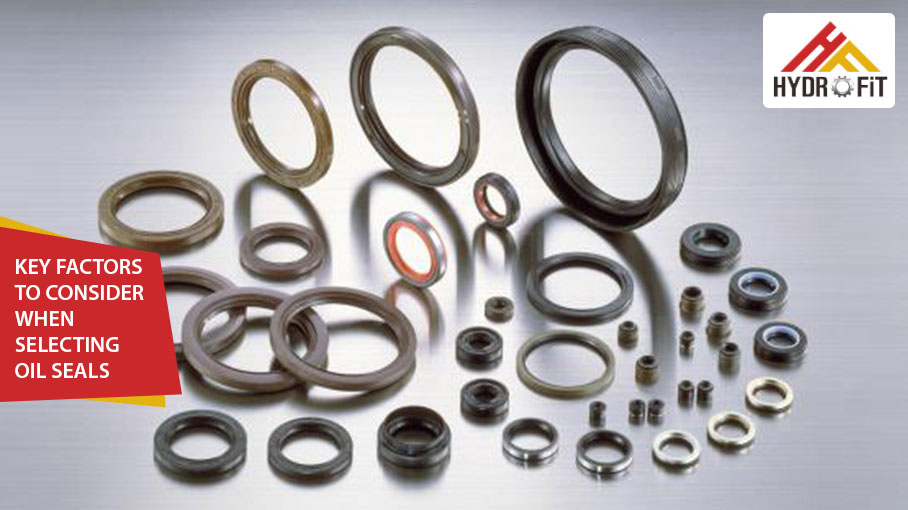
The installation of the correct equipment in machinery is a critical issue to ensure that the machinery performs efficiently and there is no unexpected downtime. All components have a specific function in maintaining the system leak-free and running smoothly. Sealing components are crucial among the various parts, as they safeguard the interior components from fluid leakage and the exterior components from contamination. This blog explains how to make the right decision for your industrial applications.
Defining the Component Functions
Hydraulic fittings are used to seal the gaps in the mechanical parts when they are stationary and movable. They keep liquids (lubricants, water) in and exclude dust, dirt, and moisture. They are applied in different systems, from car motors to powerful construction equipment.
The appropriate parts can be used to avoid early abrasion and damage to costly rotating shafts and bearings. If properly selected, they will help to keep the pressure steady and prevent contamination of the environment. The first step in locating a part that will last for years is to comprehend what your machinery is operating in.
The Importance of Material Compatibility
Chemical properties of the fluid that comes in contact with the component must be similar to those of the component. Some materials are more receptive to some oils, synthetic fluids, and temperatures than others. When using a material incompatible with the seal, it can swell, shrink, or crack rapidly.
Common materials are Nitrile, Viton, or Silicone, which have varying degrees of resistance. For conventional petroleum oils, use nitrile; for high temperature and chemical use, use Viton. Proper material selection is key to preventing chemical degradation and to achieving operational success.
Operating Temperature Considerations
During the continuous operation of a machine, friction and pressure create a significant amount of heat. The sealing part should be able to withstand the lowest and highest temperatures of the system. In cases of too much heat, the material may become hard and brittle and crack under operational stresses.
On the other hand, very cold temperatures may make the material brittle, causing it to leak fluids right away. Designers need to take the continuous operating temperature as well as any potential peaks in temperature into consideration. Choosing and using a component with a suitable thermal rating will most likely lead to this as the performance of that component will remain the same in all seasons.
The Amount of Pressure in the System
The sealing element’s shape and performance are directly related to the pressure within the machinery. High-pressure applications need to be strong so as not to push the component out of place. Typically, standard designs are employed in low-pressure or atmospheric systems where there is very little fluid movement.
Specialised, with a reinforced metal casing or support rings, are required for high-pressure systems. If pressures are not monitored, failure will occur in a short period of time, resulting in fluid loss. The real pressure metrics can be evaluated to select a shape that will remain stable.
Shaft Speed and Surface Finish
The friction between the rotating internal shaft and the sealing lip produces localised heat, depending on the speed at which the internal shaft rotates. Materials that are capable of enduring continuous friction without wearing out are necessary for high shaft speeds. The surface finish of the shaft itself should also be smooth so as to avoid the abrasive wear of the sealing material.
A too rough surface will tear the material too quickly, and too smooth a surface may not allow it to be lubricated. Achieving the right balance in the shaft speed and roughness helps to prolong the life of the shaft. It helps to maintain the contact point efficiently and helps to minimise frequent maintenance.
Perfect Fitment for Hydraulic Fittings
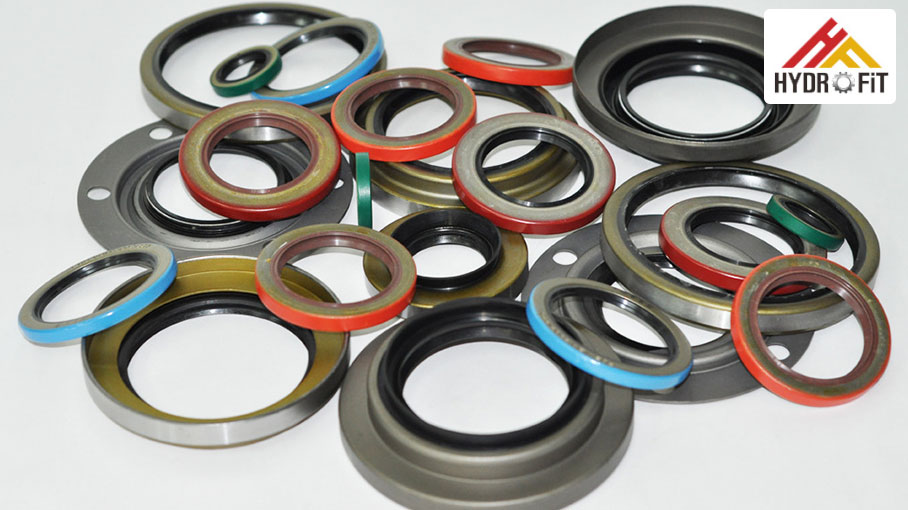
In high-pressure fluid systems, it’s essential to use a strong connection to prevent a drop in the operation. High-quality oil seals are an integral part of the complex Hydraulic Fittings, which maintain the whole system in proper working condition and safety. These factors combine to make sure the fluid power is transferred efficiently, with no loss of system pressure.
If the components are properly matched, external dirt contamination of the fluid line is altogether avoided. This is particularly critical in industrial environments where dust and debris are always in the vicinity of the equipment. When precision-engineered parts enter the hydraulic circuit, the rest of the system is safeguarded.
Improving the Life of Industrial Machinery
Precision components play a vital role in the life of heavy industrial equipment when used directly. This will ensure gears and bearings are lubricated at all times and under load. This minimises friction and consequent overheating and mechanical failure over time.
Oil seals that ensure a sound seal also contribute to a cleaner and safer workplace by retaining fluids. Maintaining tidiness in workspaces not only reduces the chance of slipping but also makes it easier to carry out maintenance activities. Choosing high-quality components is an initiative towards operational excellence.
Partnering with Professional Providers
A reputable mechanical parts supplier will be able to provide you with authentic and high-quality parts. There are a variety of professional suppliers who supply a variety of sizes and materials to fit a wide range of industrial applications. They are useful in helping businesses locate the exact replacement of an old or worn-out device without any delays.
Hydrofitme offers a wide range of engineering products available to meet your requirements, ensuring reliable fluid power solutions. They pride themselves on quality, so each part will withstand challenging industrial settings. When you select a partner that can help you deal with the issues and keep your business going without having any unexpected downtime.
Author Bio
Hydrofitme is a committed supplier of a full range of hydraulic components and services to meet the needs of various industrial applications. The company’s mission is to provide reliable products that guarantee system integrity, operational efficiency, and long life. Their precision-engineered products enable companies to ensure uninterrupted productivity and avoid expensive equipment downtime.
FAQs
What are the first signs of a problem with a sealing?
The symptom is a leaky fluid that can be seen around the shaft area. When the system pressure decreases or dirt accumulates near the connections, they also indicate that the part has to be replaced.
How to measure something to ensure getting a perfect fit?
Take measurements of 3 dimensions: inside shaft diameter, outside housing bore diameter, and part width. A digital calliper is used to make sure it is accurate for a perfect fit.
Are these parts able to be used again after an overhaul?
No. Removing the filter distorts it and affects the sealing lip, resulting in immediate leaks of the fluid if it is reinserted.
What causes a sealing lip to wear down prematurely?
The causes of premature wear are excessive shaft roughness, insufficient lubrication, or too high operating temperatures. One more confusing mistake is using the incorrect material, which results in the risk of the material decomposition.
What is the best way to store mechanical parts before assembly?
The best option is to store them in a cool, dry place that is not exposed to sunlight and extreme temperatures. In this way, you will prevent dust and deformations in packaging parts.
Why is it critical to correctly orientate these parts during installation?
The sealing element has to be facing the fluid contained the higher the pressure in the system, the stronger is the sealing. If the unit is not installed properly, the fluid can flow immediately through the leakage path.