 +971 568 385395
 +971 654 22355
Common Types of Hydraulic Fittings & Their Functions
Posted on March 22nd, 2026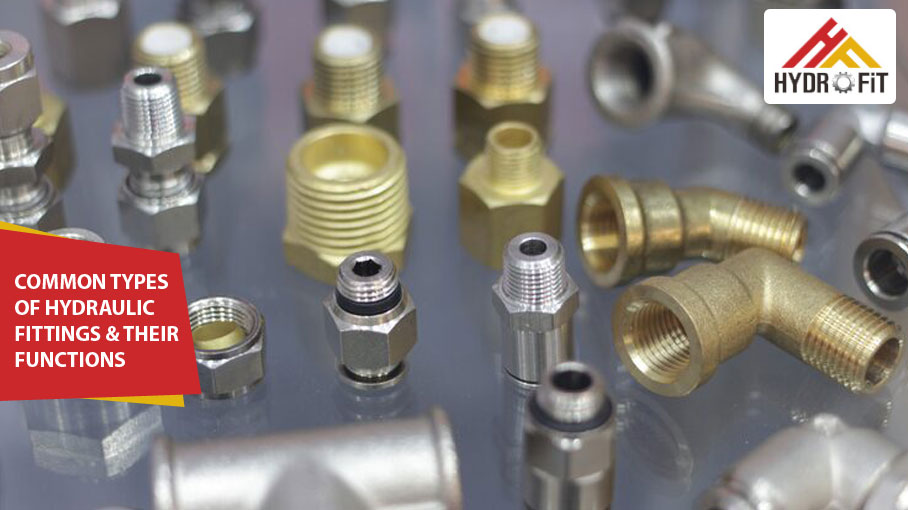
Hydraulic fittings are attachments used to establish a connection between various segments of a hydraulic system. They can be of various types and have different applications. This write-up discusses the five most widely used fittings of this type, along with their functions.
Different Uses of Hydraulic Hose Fittings
They are attachments designed to connect hoses to various parts of a hydraulic system. The right hose fittings enable leak-free fluid transfer in a high-pressure environment.
Using these machines is crucial to enable seamless power transmission when working with heavy machinery such as manufacturing equipment, tractors, forklifts, excavators, etc. When you establish connections using the right fittings, the hydraulic system doesn’t experience any pressure loss and showcases optimum function.
Hose fittings tend to have either a male or female end. This formation ensures that you can attach them to hoses by crimping. When done perfectly, the crimping action seals the two parts permanently, producing maximum durability.
A trusted hydraulics company in UAE will provide you with multiple options when shopping for hose fittings. You must choose pieces based on the temperature and pressure to which the hydraulic system is subjected. Another factor to consider when choosing the fitting is the connection angle.
Different Uses of Hydraulic Adapter Fittings
You need adapter fittings to establish an integration between various mismatched threads of a high-pressure system by sealing, connecting, and routing hydraulic lines. The use of these units is extremely common in the agriculture, mining, automotive, and construction industries.
The use of adapter fittings is also common in systems that require hydraulic hoses to pass through tight spaces. These fittings (usually elbows) enable a change of angle and thereby allow seamless routing of the hoses. If changing angles is not possible, tee adapters are used to enable easy routing by branching lines.
Technicians often use adapter fittings to avoid hose twisting during installation. The common fitting type used for this purpose is swivel adapters. Swivel adapters ensure that technicians don’t need to replace the entire hose assembly to remove various components of the system.
Different Uses of Hydraulic Flange Fittings
The most talked-about feature of these fittings is their ability to withstand any pressure level between 3,000 and 9,000 PSI. Technicians need to use clamps or bolts to secure flange fittings.
In the construction industry, they are often used to connect cylinders with hydraulic pumps to control the bucket, boom, and arm of excavators seamlessly. In the case of industrial hydraulics, these fittings are frequently used to connect piping systems in heavy equipment. Examples include drilling machines, machines used for plastic moulding, and so on.
The use of flange fittings is also common in gas and oil mining machinery that demands sturdy connections. As these fittings can withstand extreme vibration and shock, their use is prevalent even in submarines and ships.
Different Uses of Hydraulic Push Lock Fittings
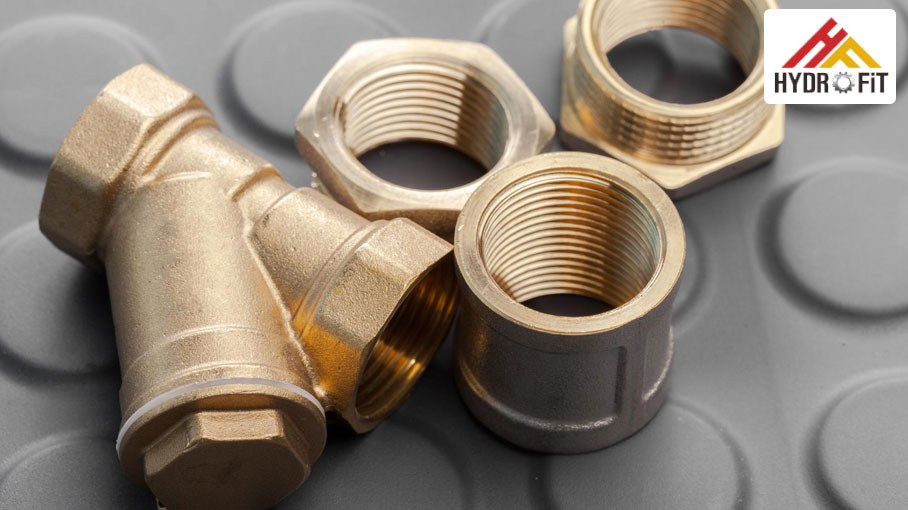
Technicians pick them when they need to complete assembly jobs quickly and without using any tools. These fittings secure hoses without any clamps. They are the fittings of choice when the hydraulic system in question is a low-pressure unit.
Common applications of hydraulic push lock fittings are in oil drain lines and brake systems. Technicians also prefer this fitting type when setting up transmission cooling. The factors that make push lock fittings perfect for the above applications are their ability to resist high temperatures and enable weight reduction.
Certain equipment used for agricultural activities requires resistance to high vibration, dust, UV rays, and fertilisers. Examples include various harvesting devices, sprayers, tractors, etc. Push lock fittings are often used to set up such equipment.
Uses of Hydraulic Fittings Categorised Based on Construction Materials
Steel Fittings: They are used primarily to connect high-pressure tubes and hoses of heavy equipment used in gas/oil mining, construction, and agriculture industries. They are instrumental in preventing leaks even in extreme environments.
The most prominent feature of these units is their ability to handle high temperature and pressure. According to experts, steel can withstand temperatures as high as 260°C. Another reason behind their popularity in various industries is that they are available in multiple shapes.
Stainless Steel Fittings: Unlike steel hydraulic fittings, their stainless-steel counterparts contain chromium. This material makes stainless steel fittings corrosion resistant. You can use them to set up any equipment that is at risk of chemical attacks and rust formation. As a result, they are automatic favourites of the food manufacturing, mining, marine, and chemical processing industries.
The high-strength structure of these units ensures that they don’t get deformed even when working under extreme pressure. Like steel units, they are also available in various shapes. Last, but not least, they can be used in extremely high temperatures, much higher than usual hydraulic needs.
Brass Fittings: It is advisable to use brass fittings in hydraulic systems involved in medium to low-pressure applications. They can withstand any temperature between -53°C and 204°C.
They are often used as compression fittings to connect polymer or metal tubes without any soldering or threading, creating an amazing seal. Technicians tend to pick brass fittings when they need to change the connection type (male to female or vice versa) at the end of a pipe.
Aluminium Fittings: Thanks to their lightweight structure, aluminium fittings offered by every top hydraulics company in UAE enjoy immense popularity in the country’s mobile equipment, aerospace, and automotive industries. The strength-to-weight ratio of aluminium hydraulic fittings is extremely impressive. They are also frequently used in heat-conductive components such as cooling units and HVAC systems.
These units are corrosion-resistant and can withstand pressure as high as 4,000 PSI. Manufacturers often prepare anodised versions of aluminium fittings to increase their durability. You should opt for these anodised units if the fittings have a chance of getting exposed to harsh fluids.
Plastic Fittings: Plastic hydraulic fittings are lightweight structures made using polypropylene or PVC. They are primarily used in clean-flow hydraulic systems that are chemical-sensitive and produce low pressure. As expected, plastic fittings are less durable than the metal ones. These units are most frequently used in the food processing and water treatment industries.
If you want your hydraulic systems to have the best hydraulic fittings, contact Hydrofitme. They have been in business for more than 5 years and are currently ruling the industry. They will manufacture and supply hydraulic fittings according to your requirements. All you’ll need to do is speak to their representative and share your needs and preferences.
Author Bio:
This article has been written by an experienced mechanical engineer associated with the hydraulic fitting manufacturing industry. He has been working in this industry for almost three decades and is currently involved in training junior engineers for the job. He also loves writing on the subject and shares his experience in the form of blogs.
FAQ
What factors should you consider when choosing hydraulic fittings for your equipment?
The factors you must consider when choosing hydraulic fittings include the size of the equipment, the pressure and temperature they will be subjected to, the kind of liquid you are looking to use, and the purpose you will be using it for.
What is the difference between male and female hydraulic fittings?
The male fittings feature threads on their outside, while the female units have threads on their inside. The female units work as the holders for the male fittings.
What should be the material of choice for hydraulic fittings meant for high-pressure hydraulic systems?
Stainless steel fittings are best for these systems. They can withstand pressure as high as 10,000 PSI.
When should you choose plastic hydraulic fittings?
You can pick plastic fittings for light-duty use or when you don’t have a very high budget. Plastic hydraulic fittings also work well in low-pressure systems and extremely corrosive environments.
How to maintain hydraulic fittings?
If you buy these fittings from a trusted manufacturer, you will not need to worry about their maintenance. The manufacturing company will provide all-inclusive maintenance and repair services for reasonable prices.