 +971 568 385395
 +971 654 22355
Hydraulic Cylinders: Types, Applications and Benefits
Posted on October 21st, 2026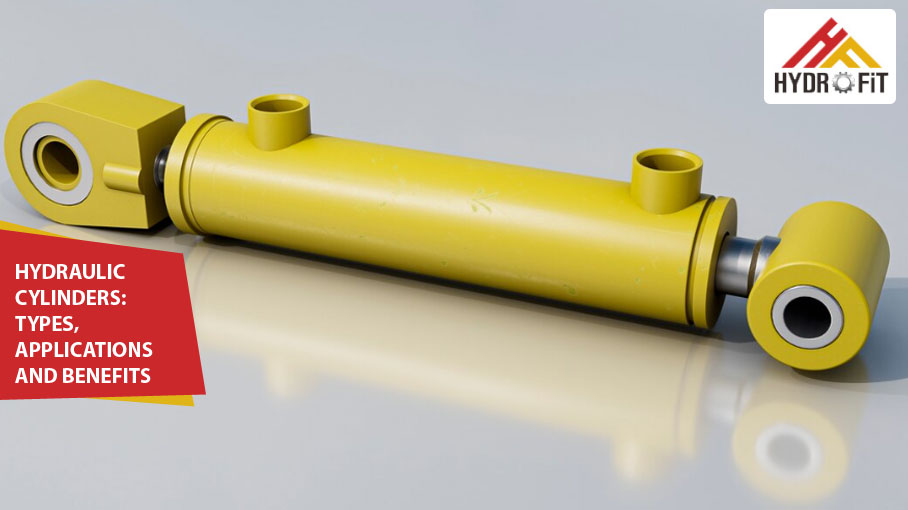
Heavy machines move because one compact component turns fluid pressure into straight-line force. Hydraulic cylinders sit inside excavators, cranes, marine winches, truck lifts and many other machines across the Emirates. Their job looks simple but the choice of type and the quality of each part decide how long a machine runs without trouble.
This guide explains how these units work and which types dominate the market. It then covers real applications in construction, marine, oil and gas work and lists the benefits that keep them popular. A final section looks at repair, spare parts and supplier checks.
How These Units Work and What Sits Inside
Every cylinder follows one basic idea from fluid physics. Once that idea is clear the design makes sense and so do the maintenance needs.
Fluid Pressure at Work
Pascal’s law drives the whole system. Pressure applied to a confined fluid spreads equally in every direction. A pump pushes hydraulic fluid into one end of a sealed barrel and the fluid pushes against a piston. The piston moves a rod and the rod moves the load. A small input can create a large push or pull because the fluid acts across a wide piston area. That simple trade explains why heavy lifting machines use this design.
Main Components
Each part has a clear job, and one weak link can affect the whole unit. A standard cylinder includes:
- A barrel that holds the fluid and guides the piston
- A piston that separates the two sides of the barrel
- A rod that carries the force out to the load
- A gland that guides the rod and holds the seals in place
- End plates and ports that close the barrel and let fluid flow in and out
- Seals that keep fluid inside and dirt outside
Why Spare Parts Matter
Worn seals and scored rods rank among the usual causes of trouble. A fresh seal set or a new piston often restores full performance without a complete replacement. Gland nuts, end plates and port fittings wear after years of heavy cycles too. Spares that match the original dimensions protect the machine from leaks and uneven movement. A cheap part with the wrong tolerance usually costs more in the end.
Main Types of Cylinders
Hydraulic Cylinders come in several designs and each one suits a specific movement pattern. Matching the type to the task saves money and avoids early failure. Three groups cover most real-world needs.
Single-Acting Units
Fluid enters one side of the piston only. Pressure pushes the rod out and an outside force brings it back. That force can be gravity or a spring or the weight of the load itself. The design stays simple and uses fewer parts. Single-acting units suit jobs where the return stroke needs little control. Vehicle lifts and jacks are common examples.
Double-Acting Units
Fluid enters either side of the piston so the rod moves under pressure in both directions. Operators gain control over extension and retraction. Excavator arms and loader buckets use this style because they need a firm push and a firm pull. The extra port and the added seal area mean a little more upkeep. Most buyers accept that trade for the control it brings.
Telescopic and Construction Styles
Telescopic cylinders nest several stages inside each other. They stay short when closed and reach a long stroke when open. Tipper trucks use them to raise the load body. Body construction also varies:
- Tie-rod style: External rods clamp the end caps to the barrel and make service easy
- Welded style: End caps join directly to the barrel for a compact and tough unit
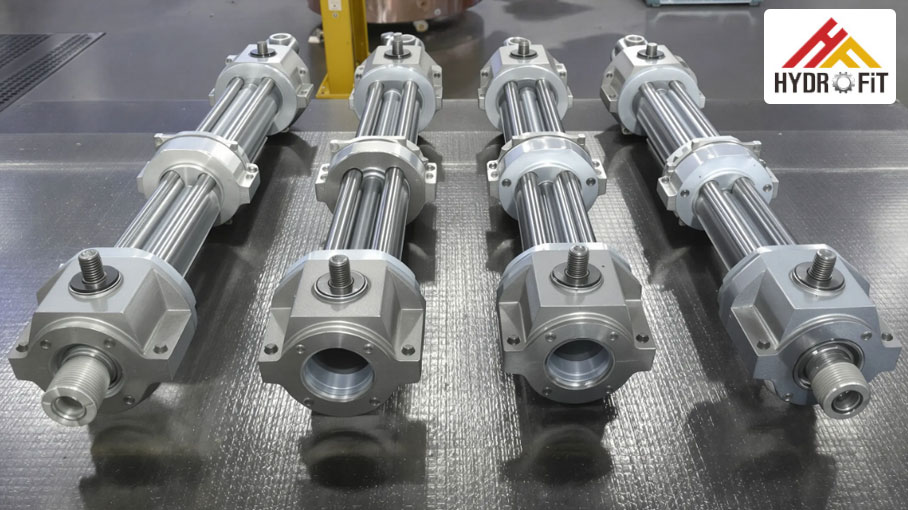
Some machines need sizes or mounting points that standard catalogues do not cover. Custom builds solve that gap when a supplier designs and manufactures to the customer’s drawing.
Applications Across Industries
Demand for these units spans every sector that moves heavy loads. Construction, marine and energy work in the UAE use them every day. Each sector puts different stress on the equipment.
Construction and Mining
Excavators, loaders, cranes and concrete equipment use cylinders for arms, booms, buckets and outriggers. Mining machines add dust and shock loads that test every seal and rod. Dirt that reaches the rod surface cuts into the seals within a short time. Regular servicing and genuine spares keep this equipment on site instead of in the workshop.
Marine and Offshore Work
Ships and offshore platforms use cylinders in steering gear and deck equipment and hatch covers and lifting systems. Salt air and moisture attack exposed rods, so surface quality matters a great deal. Chrome bars and honed tubes with a smooth finish protect the seals and extend service life. Marine crews also value quick support when a fault appears far from the yard because a delayed repair can stall a whole vessel.
Oil and Gas, Transport and Manufacturing
The same basic design shows up in many other fields. Typical uses include:
- Oil and gas: Valve actuation and lifting equipment at oil field sites
- Transport: Tipper bodies, tail lifts and lifting platforms on trucks
- Manufacturing: Presses and clamping fixtures and material handling machines
Each field demands steady force and long service intervals. That demand keeps quality parts and skilled repair work in high demand.
Benefits and Choosing the Right Supplier
Benefits only last when the unit comes from a source that builds and tests with care. A buyer searching for the best hydraulics company in UAE should weigh the product and the support together.
Core Benefits
These cylinders earn their place on machines for clear reasons:
- High force from a compact body
- Smooth and controlled movement along the full stroke
- Long service life with good seals and regular servicing
- A wide choice of sizes and mounting styles
- Easy repair through replaceable seals and spare parts
Fewer moving parts than many mechanical systems also mean fewer places for faults to start. Operators can place the cylinder close to the load and keep the layout of the machine simple.
Repair Before Replacement
A full replacement is not always the answer. A proper overhaul starts with stripping the unit and inspecting the barrel and rod for scoring. The workshop then fits new seals, replaces worn parts and tests the finished cylinder on a rig before it returns to service. That route usually costs less than a new unit and shortens downtime. Onsite repair at the client’s location cuts the wait even further for machines that cannot travel.
Supplier Checks That Matter
Buyers can judge a supplier with a short list of practical points:
- A complete machine shop that makes and repairs parts in-house
- Test rigs that confirm performance before delivery
- Genuine spares such as gland nuts, pistons, end plates and port fittings
- Custom manufacturing to the buyer’s design
- Onsite service support for urgent faults
- Quality certification such as ISO 9001
A supplier that ticks these boxes stands apart from a simple parts seller. That gap is what separates the best hydraulics company in UAE from the rest of the market.
Final Thoughts
Cylinders may look like small parts of a big machine but they carry the heaviest work. The right type, the right spares and a reliable repair partner keep that work steady. Buyers who learn the basics of single-acting and double-acting designs make smarter choices at purchase time. Those who plan for servicing early avoid the costly surprises that follow a sudden failure.
Hydrofit Trading & Engineering has served the UAE from Sharjah since 1990. The team designs and manufactures cylinders to customer requirements and repairs and overhauls existing units. It also supplies genuine spares and offers 24/7 onsite hydraulic service support. Request a quote to discuss a cylinder project with the experts.
Author Bio
The author of this post aims to give readers a clear and practical view of how cylinders work and where industries use them. The expert has ensured they cover the different types, applications and benefits in plain language so buyers can judge parts and repair options with more confidence.
FAQs
How does a single-acting cylinder differ from a double-acting one in daily use?
A single-acting unit pushes in one direction and relies on gravity or a spring to return. A double-acting unit pushes and pulls under fluid pressure. The second type suits machines that need control in both directions.
Can a worn cylinder return to service without a full replacement?
It is true in many cases. A workshop strips the unit, checks the barrel, rod and fits new seals and any worn parts. A rig test then confirms performance before the cylinder goes back to work.
Which parts wear first on a working cylinder?
Seals and rod surfaces usually show wear first. Glands and pistons follow after long service. Early replacement of small parts prevents leaks and protects the rest of the unit.
How does a hydraulic unit differ from a pneumatic one?
Hydraulic units use oil and handle much heavier loads. Pneumatic units use compressed air and suit lighter and faster tasks. The load and the speed of the job decide the right choice.
What details should buyers share when ordering a custom cylinder?
Buyers should share the bore size, stroke length, mounting style, working pressure and load. A drawing helps the manufacturer match the design to the machine.