
 +971 568 385395
 +971 654 22355
Hydraulic Hose Assemblies: Installation, Maintenance & Safety Tips
Posted on September 22nd, 2026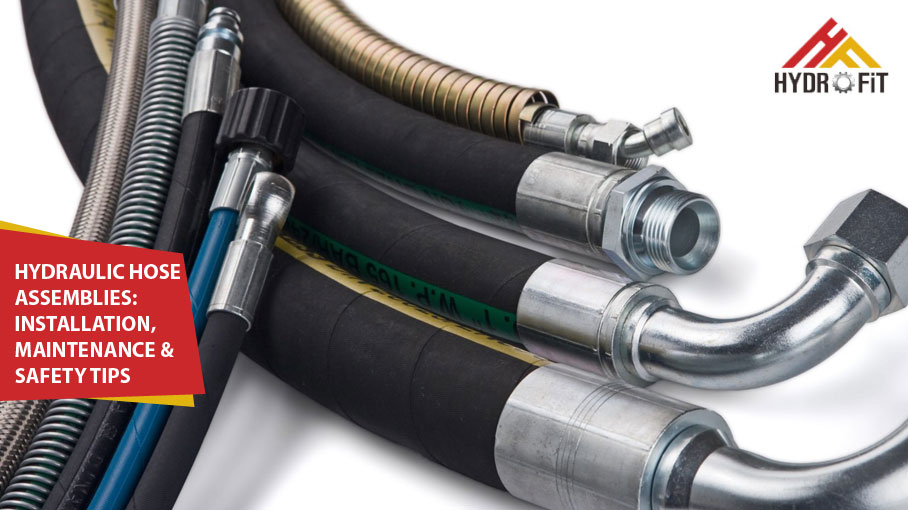
A hydraulic hose assembly is simply a hose with fittings attached at each end, ready to be fitted into a hydraulic system. It sounds straightforward. But get the installation wrong, skip a maintenance check, or handle a pressurised line carelessly, and the consequences can be costly. Industries such as oil and gas, marine, transport and construction rely on these assemblies every single day. Before searching for the best hydraulic company in Dubai, you need to get the basics right. This will protect your equipment, your budget and, most importantly, your team.
Understanding Hose Assembly Components
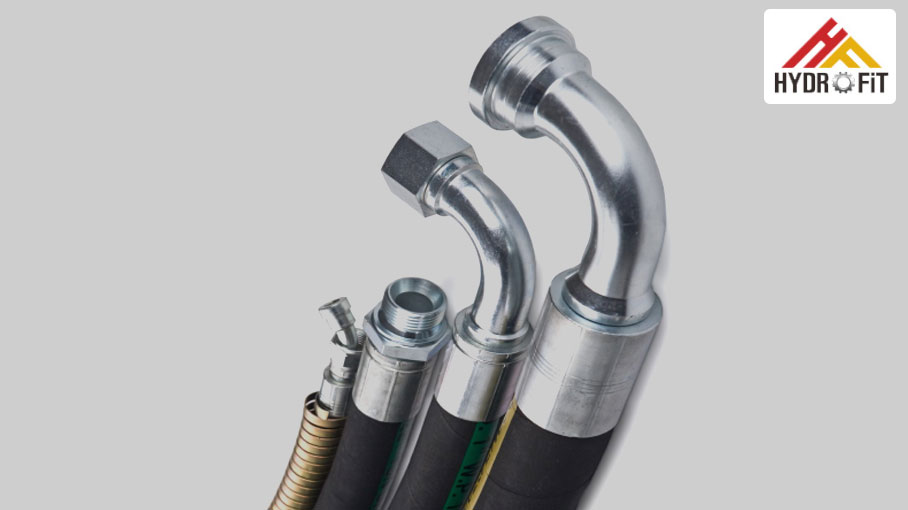
Every hose assembly has three main parts. The inner tube carries the fluid. The reinforcement layer, usually braided or spiralled wire, gives the hose its strength. The outer cover protects against abrasion, weather and general wear.
Then there are the fittings as well as adaptors at each end. These connect the hose to the rest of your hydraulic system. Pressure rating matters here too (it tells you the maximum load the assembly can safely handle). Understanding these basics helps before you even think about installation.
Choosing the Right Hose for Your System
Not every hose suits every job. Picking the wrong one is one of the fastest ways to run into leaks, failures or downtime.
Start with pressure rating. Low, medium and high-pressure systems each need a hose built for that specific load, not something close enough. Application type matters just as much (fluid type, chemical compatibility, and how the hose will actually be used on site).
Length and fitting requirements should match your exact setup, not a rough estimate. Operating environment counts too. Extreme heat, cold or constant sun exposure will wear a hose faster than you’d expect.
At Hydrofit Group, pressure rating and application use are checked before any hose is suggested. Customised assemblies are also available, built to the length, fitting type and pressure needs of your specific system, rather than a generic off-the-shelf option.
Step-by-Step Installation Guide
Installing a hydraulic hose assembly properly takes a bit of patience. Rush it, and you’re setting yourself up for problems down the line.
Preparing the System First
Depressurise the entire system before touching anything. Inspect the ports for damage or debris. Clean the connection points thoroughly. Skipping this step is where most avoidable mistakes happen.
Fitting the Assembly Correctly
Apply the correct torque to each fitting (not too loose, not overtightened). Avoid twisting the hose during installation, since twisting weakens it over time. You need to route the hose carefully in order to prevent kinking or rubbing against any sharp edge.
Checking Pressure upon Installation
You must re-pressurise the system gradually once fitted. Check every fitting for leaks and then confirm the assembly holds its rated pressure steadily before putting it into full use.
Maintenance That Extends Hose Life
Good maintenance isn’t glamorous, but it’s what separates a hose that lasts years from one that fails within months.
Build a routine visual inspection schedule. Look for cracks, bulges, leaks, exposed reinforcement wires or signs of crushing. These are the exact warning signs worth catching early.
Check fittings as well as adaptors regularly for corrosion or loosening. Keep hoses away from abrasion points, direct heat and prolonged UV exposure where possible. A worn hose should be replaced before it fails, not after.
Routine servicing and overhaul of hydraulic components go a long way too. This is a core part of what keeps hydraulic systems reliable over their working life, and it’s a service area Hydrofit Group supports directly for clients across the UAE.
Safety Tips for Handling Hoses
Hydraulic systems operate under serious pressure, and that pressure demands respect.
Never use your bare hands to check for a leak. A pinhole leak under high pressure can inject fluid into skin, and that’s a genuine medical emergency, not a minor injury.
Always depressurise a system fully before disconnecting anything. Whip-check safety cables add an extra layer of protection on high-pressure lines, helping prevent a hose from thrashing if a coupling fails.
Match the hose’s pressure rating to your system’s maximum operating pressure, every time. Avoid bending a hose tighter than its minimum bend radius allows. If a hose shows structural damage, replace it. Don’t attempt a repair on a compromised hose.
Signs Your Hose Needs Replacing
Certain warning signs shouldn’t be ignored, no matter how busy the schedule is.
- Visible leaks at fittings or along the hose body
- Cracks, bulges or blistering on the outer cover
- Exposed reinforcement wires
- Crushing or collapse of the hose structure
- Corrosion or loosening at the fittings
- Reduced pressure or inconsistent system performance
Catching these early, through the routine checks mentioned earlier, prevents unplanned downtime and bigger repair bills later.
Industries That Depend on These Assemblies
Oil as well as gas operations run on high-pressure systems where hose failure simply is not an option. Note that marine environments bring constant exposure to saltwater as well as vibration (testing every component). Transport fleets need hoses that hold up to daily wear alongside temperature swings. Construction sites push equipment hard, often in dusty or abrasive conditions.
Each of these sectors depends on hose assemblies that are correctly specified, properly installed and well maintained. There’s little room for shortcuts when equipment failure could mean lost time or safety risk.
Author Bio
This blog is written by an industrial engineering professional with experience across hydraulic systems, hose assemblies as well as fluid power solutions. The author has worked in oil and gas and in the marine industry and brings practical, field-tested insight to every technical topic covered here.
FAQs
What is a hydraulic hose assembly made of?
It consists of these an inner tube, a reinforcing layer as well as an outer protective cover. These come with fittings attached at either end.
How do you determine the pressure requirements for my hose?
Determine the maximum operating pressure of your system and select the hose assembly accordingly. Consider the application and fluid type as well.
Can hose assemblies be supplied with custom lengths as well as fittings?
Yes. Custom assemblies can be made to your exact pressure, length and fitting requirements rather than using standard sizes.
How often must hydraulic hoses be checked?
Routine maintenance should include a regular schedule of visual inspection to identify cracks, leaks, bulges or wear before they lead to failure.
What are top signs that indicate the need to replace a hose?
The best signs that it’s time to replace are leaks, cracks, bulges, exposed wires, crushing or fitting corrosion.
Can fittings & adaptors be supplied with hose assemblies?
We can offer a full range of fittings as well as adaptors plus hose assemblies to give you a complete solution from one supplier.
Bringing It All Together
Installation, maintenance and safety aren’t separate boxes to tick. They work together. A well-installed hose still needs regular checks. A well-maintained system still needs careful handling. Get all three right, and your hydraulic assemblies will simply do their job, reliably and without drama.
About Hydrofit Group
Hydrofit Group is a Hydraulic Hose Assemblies Supplier based in the UAE, offering supply, custom assemblies, fitting and adaptor solutions, plus onsite repair and maintenance support.
Serving the oil and gas, marine, transport and construction sectors, Hydrofit Group is regarded as one of the best hydraulic company in Dubai for dependable, tailored hydraulic solutions. Get in touch today to discuss your requirements or request a quote.